






Chicago’s collection system does more work than most people realize. Between Lake Michigan’s proximity, decades of freeze-thaw cycling, and clay soil that shifts with every season, engineers and contractors here are managing infrastructure under conditions few other cities face.
For engineers and contractors handling sewer rehabilitation across Cook County, inflow and infiltration (I&I) is not a one-time fix. A decades-long consent decree with MWRD has kept I&I reduction at the center of capital planning, and recent heavy rain events across the region have only sharpened the urgency.
Two Different Sources, One Capacity Squeeze
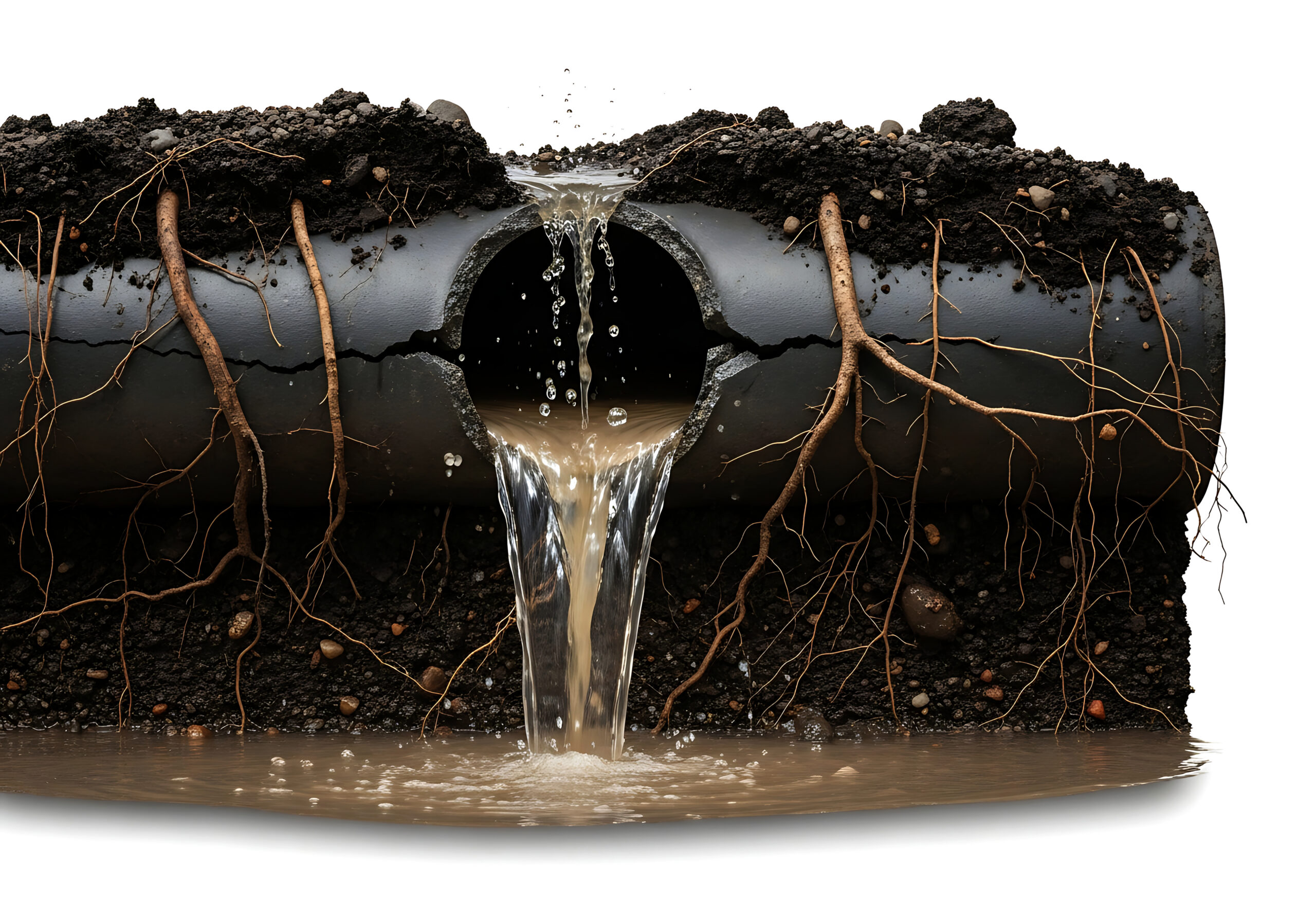
Chicago’s aging pipes let groundwater in through cracks, failed joints, and deteriorated manhole seals, the textbook definition of infiltration. Inflow takes the more direct path: roof drains, foundation drains, and other connections that feed straight into the sanitary line.
Both draw down sewer capacity right when the system needs it most. Chicago’s combined and separated sewer areas both feel this during intense wet-weather flow events, when every gallon of unwanted water competes for space that should be carrying sewage to treatment.
When the Ground Beats the Liner
Trenchless crews in Chicago default to CIPP for renewing deteriorated mains beneath the dense street grid, largely because it avoids full-street excavation on blocks where digging simply isn’t practical. That structural fix, though, doesn’t touch what’s happening underneath the rest of the pipe network.
Crews frequently line a Chicago main and still see infiltration numbers barely move the next spring. Chicago’s clay-heavy soil is the reason: it moves with every freeze-thaw cycle, stressing laterals, connections, and manholes on a completely separate schedule from the mainline. A pipe segment that tested clean in October can shift out of tolerance by February.
Common infiltration sources across Chicago’s neighborhoods include:
- Deteriorated laterals beneath older bungalow-belt and South Side properties
- Failed main-to-lateral connections stressed by seasonal ground movement
- Cracked host pipes destabilized by repeated freeze-thaw expansion
- Manhole joint failures allowing groundwater intrusion near lakefront and riverfront zones
- Root intrusion into aging clay tile pipe common throughout the city’s older wards
Reading the System Before Picking a Fix
Because Chicago’s clay soil shifts on its own seasonal calendar, a single winter inspection rarely tells the whole story. Running CCTV footage alongside flow monitoring and smoke testing across multiple seasons is what actually confirms whether a given leak lives at the main, the lateral, the connection, or the structure.
The right fix depends entirely on where the defect actually is. Trunk-line deterioration calls for mainline CIPP. A compromised lateral, public or private, needs its own lining pass. A joint separated by freeze-thaw movement needs connection-specific rehabilitation. Manhole structures cracked by seasonal shifting or lakefront groundwater pressure need structural work of their own. And an isolated, active leak at a joint or connection can often be sealed with injection grouting instead of a full-scale reline.
What’s at Stake for Engineers and Contractors
MWRD and local utilities work every budget cycle to control the cost of pumping and treating groundwater that never should have entered the sanitary system in the first place. Sewer overflows during heavy rain carry real regulatory consequences under Chicago’s long-standing consent decree obligations.
A system this exposed to seasonal extremes needs a capacity management approach that treats mains, laterals, connections, and manholes as one connected network rather than a series of unrelated repairs. The trunk line gets fixed with CIPP. Whether the program actually holds through the next Chicago winter comes down to how thoroughly the laterals, connections, and manholes around it get addressed in the same cycle.
Find a WRT-certified installer serving Cook County to assess your collection system’s full scope of I&I sources.