


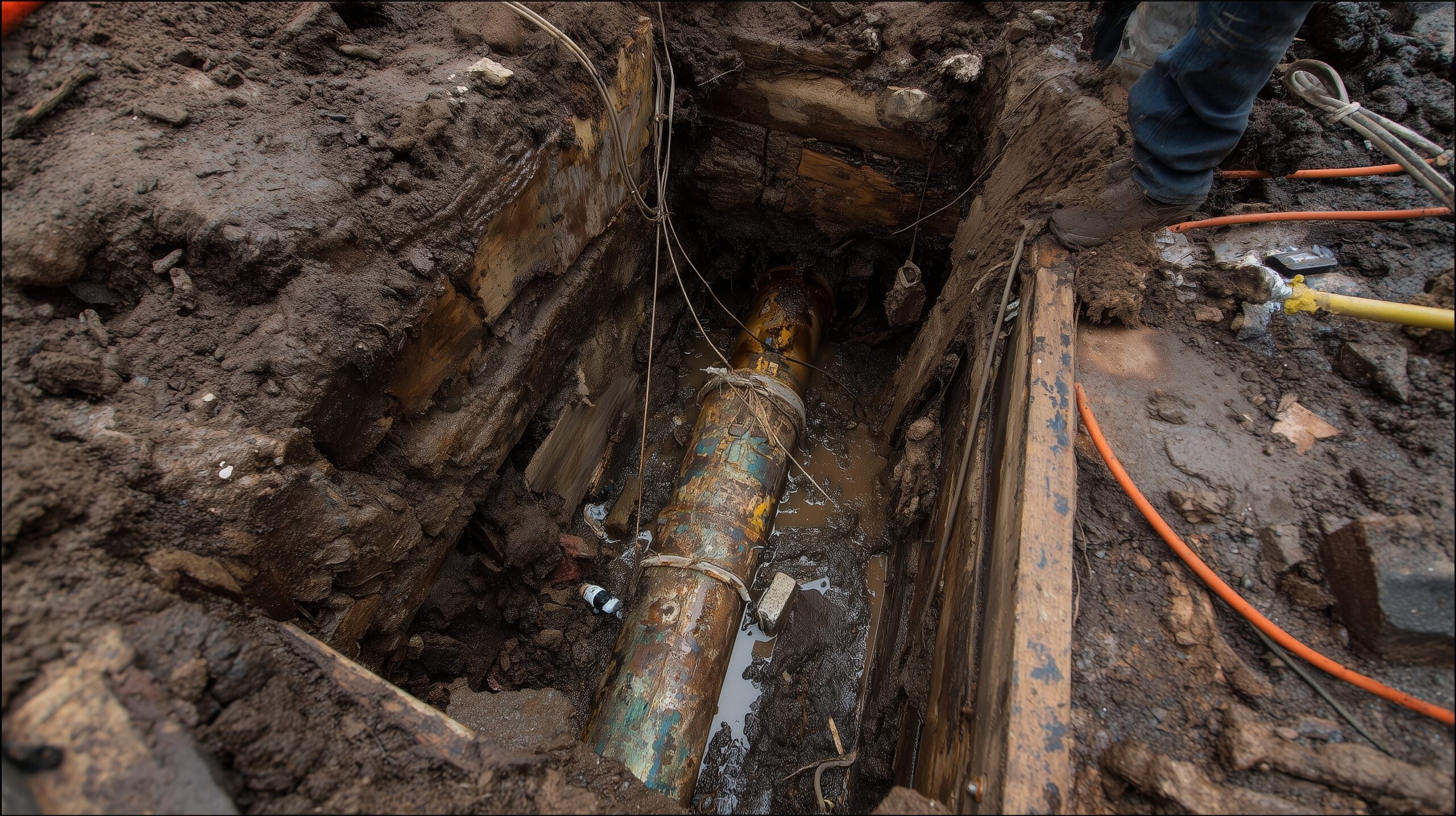
If you handle residential work in Chicago or the nearby suburbs, you know the story. A homeowner in a classic brick bungalow in Portage Park calls about a basement backup. A Greystone in Logan Square has recurring slow drains. A two‑flat in Pilsen floods every heavy rain. Once you run the camera, you see the real problem under the parkway or front walk: cracked clay, offsets from decades of freeze‑thaw, or a badly settled section under a tiny front yard.
In a city with older housing, narrow lots, alleys, and heavy traffic, sewer line problems create more than inconvenience. They threaten finished basements, in‑law units, and rental income. They also put you, the plumber, in the middle of stressful decisions about cost, disruption, and timing.
For Chicago residential plumbers who want to stay ahead, this is the perfect moment to turn sewer line repair into a predictable, profitable service built around trenchless solutions.
Why Chicago Homes See So Many Sewer Line Problems
Chicago combines older infrastructure with a tough climate. Many city neighborhoods still rely on original clay or cast iron laterals that have been through decades of freeze‑thaw cycles and subtle ground movement. Add in tree roots from mature parkway trees and years of patchwork street work, and you have lines that are worn out even if they are still technically “working.”
Common patterns you probably recognize:
- Brick bungalows and two‑flats with original laterals tied into city sewers.
- Small front yards where the line runs under sidewalks, porches, and tight parkways.
- Finished basements that sit below grade and are vulnerable to any backup.
- Houses near alleys where heavy vehicle traffic and utility work have stressed the line.
Each of these situations raises the odds that a simple cable job will not last. They also make open‑cut excavation expensive, disruptive, and hard to schedule, especially when winter or heavy rain is in the forecast.
Why Camera Inspections Are Now Standard In Chicago
In this market, guessing is risky. Sewer line rehabilitation needs clear evidence. When you run a camera and show Chicago homeowners real images of cracks, bellies, root intrusion, or separated joints, they see that you are not just selling a bigger job. You are solving the problem they have been worried about since the last backup.
It makes sense to recommend inspections for:
- Homes built before modern PVC standards.
- Properties that have had more than one backup in recent years.
- Basements that have been finished into living space or rentals.
- Houses with old trees along the parkway or in small front yards.
Once you document the condition, you can introduce trenchless sewer repair and trenchless sewer line repair as long‑term answers, not optional upgrades. The conversation shifts from “Do we really need this?” to “How do we fix this with the least mess and stress?”
When Dig‑And‑Replace Becomes A Tough Sell In Chicago
There are still situations where you have to dig, but in Chicago that choice comes with real headaches. Breaking up city sidewalks, working in narrow parkways, coordinating with permits and inspections, and hauling debris through alleys is hard on you and hard on the homeowner.
Traditional excavation often means:
- Tearing up sidewalks, steps, or front porches.
- Blocking parking on already crowded streets.
- Delays when frost, snow, or heavy rain complicate the job.
- Unhappy neighbors watching a front yard turn into a work site.
That reality is why more Chicago plumbers are putting trenchless sewer technology at the center of their sewer line repair strategy. If you can fix the pipe from the inside, you avoid most of the surface damage that clients dread.
How Cured In Place Pipe (CIPP) Fits Chicago Residential Jobs
Cured in place pipe, or CIPP, creates a new pipe inside the old one. A resin‑saturated liner is inserted into the existing line, then cured in place to form a seamless, jointless pipe. For Chicago residential plumbers, this approach fits the way the city is built.
With CIPP you can:
- Rehabilitate laterals under narrow lawns, sidewalks, and front steps without major digging.
- Provide a structural repair that stands up to freeze‑thaw cycles and heavy use.
- Minimize time spent opening and restoring concrete and landscaping.
- Offer a clear, professional solution instead of temporary cleaning.
Trenchless sewer repair that relies on CIPP lets you tell homeowners, “We can fix the line and keep your front yard and sidewalk largely intact.” That message carries real weight in tight neighborhoods where space is at a premium.
Taking CIPP Further With UV Cured Pipe Lining
Traditional CIPP often depends on hot water, steam, or ambient curing, which ties success to working time, temperature, and jobsite conditions. Chicago weather does not always cooperate. Cold snaps and quick weather swings make timing harder to control.
UV cured CIPP changes that equation. With UV cured pipe lining, an ultraviolet light source cures the liner from the inside when you decide it is in the right position. Systems such as LightRay UV pipe lining use LED technology to make the process precise.
On the job, that means:
- The liner stays flexible while you position and verify placement.
- You start curing only when everything is ready.
- Outside temperature has less impact on your result.
- Cure times are short, so you can restore service quickly.
For Chicago plumbers working in basements, tight side yards, or small front lawns, this control matters. UV cured CIPP reduces the stress of “racing the clock” and makes trenchless sewer line repair more predictable in real city conditions.
Why LightRay UV Pipe Lining Works In Chicago Neighborhoods
Chicago’s housing mix runs from frame houses and worker cottages to brick two‑flats, three‑flats, and courtyard buildings. LightRay UV pipe lining systems are designed to handle this variety, particularly for residential laterals and targeted spot repairs.
Key advantages for Chicago work include:
- Fast cure times that get families and tenants back to normal sooner.
- Clean, low‑odor curing that keeps finished basements and first floors comfortable.
- Reliable performance when working around boilers, low ceilings, and tight access.
- Flexibility for many sewer line rehabilitation tasks, from a bad joint to longer runs.
When you combine cleaning, inspection, and UV cured CIPP, sewer line problems under Chicago sidewalks and front yards stop being unpredictable emergencies. They become planned projects with clear steps and outcomes. Homeowners see a streamlined process. You see jobs that are easier to manage, price, and complete.
Clarifying Responsibility On Chicago Blocks
Many Chicago homeowners are unclear about where their responsibility for sewer line repair starts and ends. Some assume that anything under the sidewalk or street belongs to the city. In many cases, that is not accurate.
By taking time to explain:
- Which section of the lateral they likely own,
- How a failure in that section leads to backups and basement damage,
- And how trenchless sewer technology can fix issues without major surface damage,
you build trust and reduce friction. When the next problem appears, they remember the plumber who walked them through cured in place pipe and UV cured CIPP options, not just the one who ran a cable and left.
Strengthening Your Chicago Plumbing Business With Trenchless
For residential plumbers in the Chicago area, adding or expanding trenchless sewer line repair is a strategic move. It helps you match your services to the realities of this city’s housing, climate, and infrastructure.
With the right trenchless equipment and training you can:
- Win higher‑value jobs from homeowners who are serious about protecting finished basements and property value.
- Reduce call‑backs by providing structural sewer line rehabilitation instead of short‑term fixes.
- Turn tough properties into success stories that bring in referrals from neighbors and real estate professionals.
- Use before‑and‑after footage to educate future clients on why trenchless sewer repair is worth the investment.
LightRay UV pipe lining and other UV cured CIPP solutions give you the confidence to take on complex sewer line problems with clear expectations and consistent results. In a city where winters are tough, lots are tight, and basements matter, that confidence translates directly into reputation and revenue.
Your Next Step As A Chicago Plumber
If you are ready to move beyond reactive cleaning and start offering full sewer line rehabilitation for Chicago homes, now is the time to look closely at trenchless sewer technology. Review the sewer line problems you see repeatedly in your service area. Identify which jobs would benefit from cured in place pipe and UV cured pipe lining instead of another excavation.
Talk with your suppliers about LightRay UV pipe lining packages sized for residential laterals. Choose one or two projects that are good candidates for trenchless sewer line repair, document the process, and share the results with your team and future customers.
On Chicago blocks where the homes are close together, the basements are valuable, and the underground lines are aging, the plumbers who master trenchless sewer repair will be the ones homeowners and investors call first when the next backup hits.